Dream Interpretation AI

A published source-based collection

Menglin Xuanjie

This hub presents published site content, not the raw source archive. Its four-part structure—Dream Origins, Dream Theory, Historical Responses, and Dream Interpretation—comes from the editorial principles of Menglin Xuanjie and guides how this site presents the material today.

OriginsTheoryResponsesInterpretationsSources

Dream Origins / Principles

From dream origins to the limits of interpretation

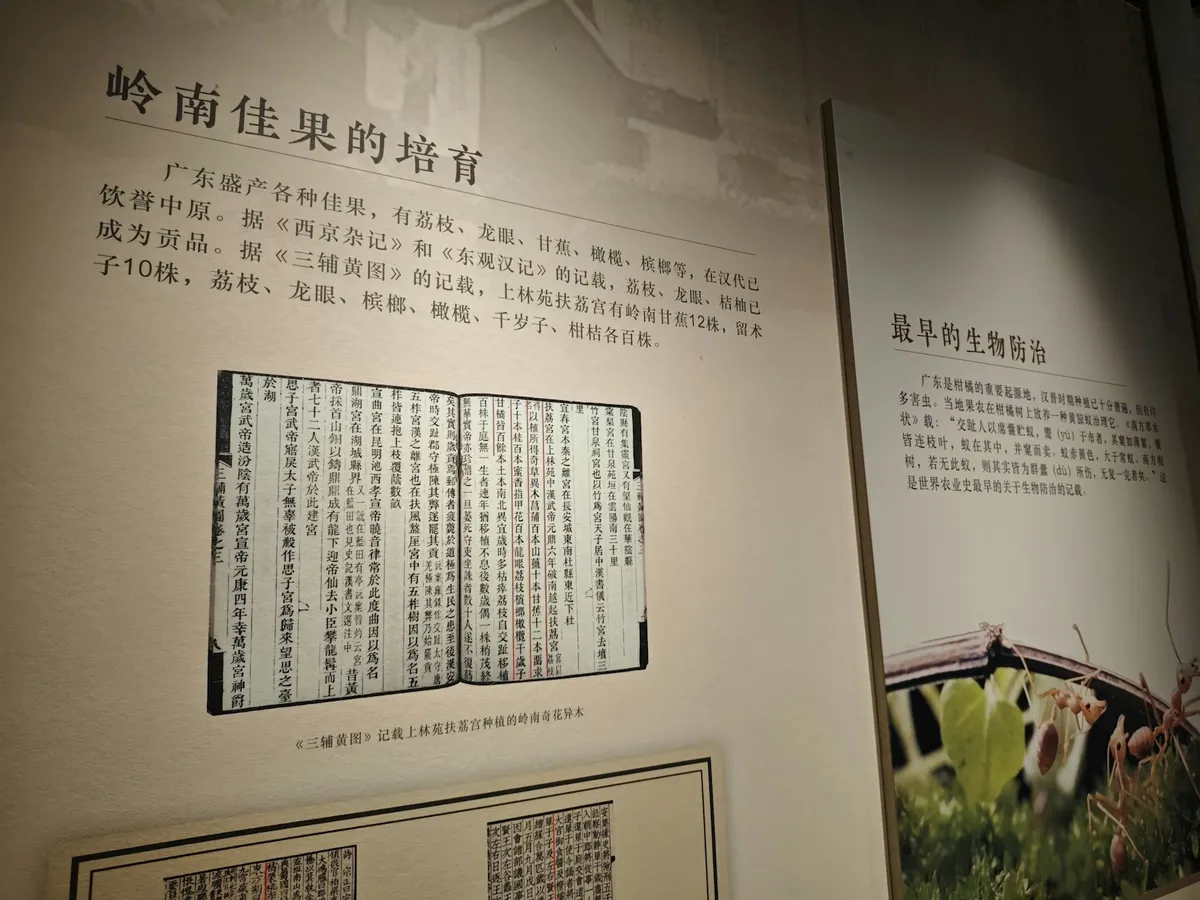
An open historic Chinese book displayed behind glass.

Dream Wisdom

How Menglin Xuanjie Organizes Dreams: Its Four-Part Structure

The editorial principles describe Dream Origins, Dream Theory, Historical Responses, and Dream Interpretation—showing a compiled tradition rather than a fixed-answer dictionary.

Read more →
Traditional Chinese architecture reflected in calm water.

Dream Wisdom

What Is Menglin Xuanjie? A Guide to China’s Classical Dream Encyclopedia

An accessible guide to the four-part structure of Menglin Xuanjie and its careful use on this site.

Read more →
Misty mountains reflected in calm water.

Dream Wisdom

Why One Dream Symbol Is Never the Whole Meaning

A dream changes as it unfolds, so one image alone is rarely the answer.

Read more →
Misty mountain peaks with lush trees.

Dream Wisdom

How Ancient Chinese Dream Theory Classified Dream Images by the Five Phases

Menglin Xuanjie Volume Two groups nature, actions, objects, animals, directions, and colors through Wood, Fire, Earth, Metal, and Water. It is a historical framework.

Read more →
An antique study desk with books beside a window.

Dream Wisdom

Five Spirits Dream Theory: How Menglin Xuanjie Used the Five Phases to Explain Dream Change

Menglin Xuanjie Volume Two uses Five Spirits, Five Organs, and Five-Phase relationships to read how dream images move and change. It is historical theory, not medicine.

Read more →
Ocean water in warm sunset light.

Dream Wisdom

Why Ancient Chinese Dream Theory Linked Fire, Water, and Conflict to Yin and Yang

Menglin Xuanjie Volume Two places fire, water, darkness, and conflict imagery within a historical yin-yang and five-organs framework, not modern medicine.

Read more →
A misty castle reflected in still water.

Dream Wisdom

What Context Matters in a Dream? The Framework of Yupuhuiyi

Yupuhuiyi considers the dreamer, place, time, physical setting, waking concerns, emotion, sequence, and relationships as a historical context framework.

Read more →
Traditional calligraphy scrolls on aged paper.

Dream Wisdom

13 Principles of Dream Interpretation in Menglin Xuanjie

Dreamer context, transformation, complete sequence, uncertainty, and moments when interpretation should be avoided all complicate a single-symbol reading.

Read more →
A traditional Chinese building in the rain.

Dream Wisdom

Why Dreams Are Hard to Interpret: Change and Uncertainty in Mengyuan Yin

Mengyuan Yin considers daytime experience, reversals, and dreams that may never correspond to later events, cautioning against fixed answers or guarantees.

Read more →
An old book open on a wooden table.

Dream Wisdom

Why Dreams Should Not Be Read by Symbols Alone: The Preface to Menglin Xuanjie

A careful reading of a modern Chinese rewrite of the preface, where dream meaning is connected with state of mind, sequence, and reflection.

Read more →
Mist rising from a quiet lake beneath distant mountains.

Dream Wisdom

How Emotion Changes the Meaning of a Dream

Fear, relief, sadness, calm, and excitement can change what the same image asks you to notice.

Read more →
An empty chair in a dark, quiet room.

Dream Wisdom

Dreams as Reflections of the Mind in Classical Chinese Thought

A traditional introduction to dreams, self-observation, and the language of inner life.

Read more →
A single red lantern glowing at night.

Dream Wisdom

Why Some Dreams Should Not Be Interpreted

A traditional caution against forcing meaning onto every dream.

Read more →
Rows of antique books in a historic library.

Dream Wisdom

How Ancient Chinese Dream Interpretation Was Organized

Menglin Xuanjie arranged dream inquiry as a connected system, not just a symbol list.

Read more →

Dream Theory

Several viewpoints, context, and change

Layers of green mountains rising above morning mist.

Dream Wisdom

Nine Causes of Dreams in Menglin Xuanjie

The Nine Causes in Gǎnbiàn presents historical ideas about bodily conditions, emotion, sleep, symbolism, and reversal—not a modern scientific model.

Read more →
A snake moving through a shadowed forest floor.

Dream Wisdom

Ten Types of Dreams in Classical Chinese Dream Theory

Wang Fu’s ten types show how historical dream theory could consider symbolism, waking thoughts, season, and personal context—not one fixed answer.

Read more →
Layered mountain ridges softened by mist.

Dream Wisdom

Dream Theory vs. Dream Origins: Two Ways Menglin Xuanjie Studies Dreams

Dream Origins asks how dreams arise; Dream Theory gathers earlier ways of discussing them. Neither turns one image into one fixed answer.

Read more →
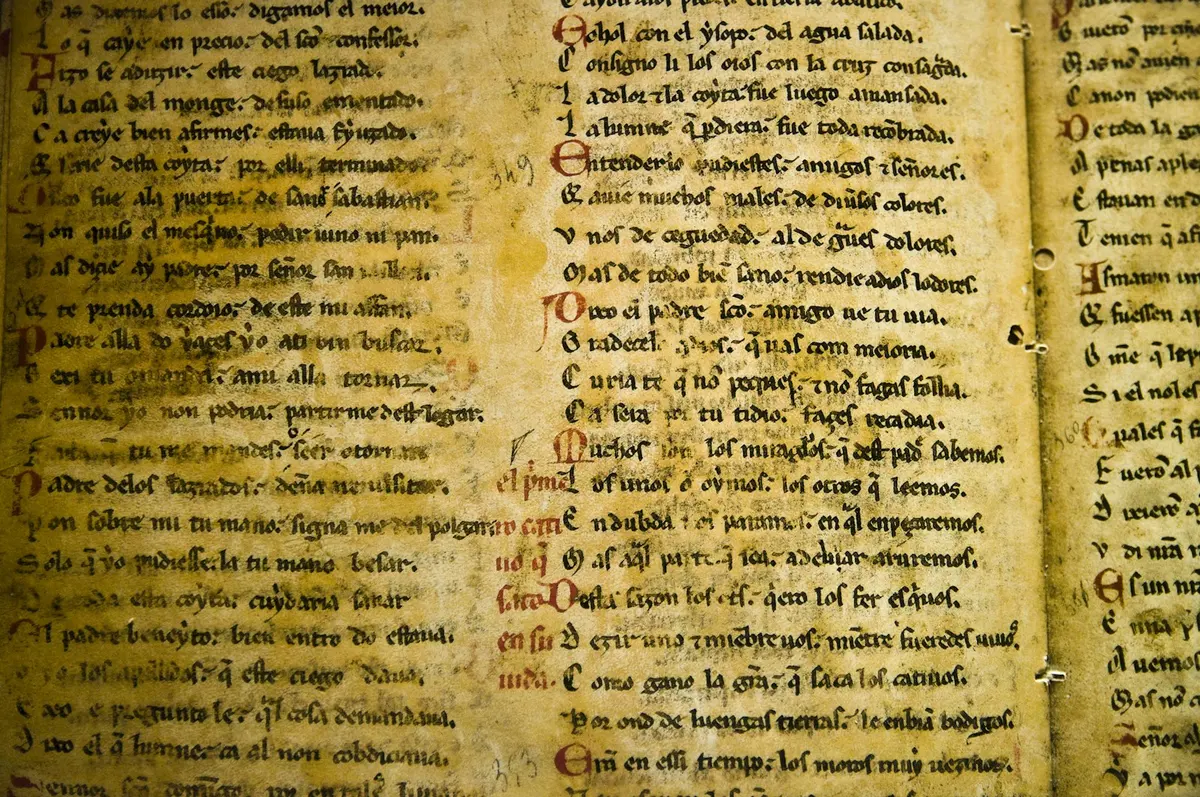
A close view of weathered handwritten pages.

Dream Wisdom

Why Did Ancient Chinese Writers Interpret Dreams? Ideas from the Preface to Yuanmeng Mice

How a traditional preface uses an infant’s laughter and crying, plus a reversal dream, to argue for context over isolated symbols.

Read more →
Chinese calligraphy on aged paper.

Dream Wisdom

Five Elements and Dreams: A Historical Chinese Theory

A careful introduction to five-element dream theory as cultural history, not medical diagnosis.

Read more →
Rows of red paper lanterns glowing at night.

Dream Wisdom

Ancient Chinese Theories of Why We Dream

A historical survey of dream ideas gathered in Menglin Xuanjie.

Read more →
An empty chair by a softly lit window.

Dream Wisdom

A Pill Caused Illness, a Blade Brought Recovery: A Reversal Dream

The preface records a paired dream account: a pill is followed by illness, while a blade dream is followed in the source by recovery.

Read more →
Browse Dream Wisdom →

Historical Responses to Dreams

Read response traditions as cultural history

The Dream Responses section includes historical material about self-cultivation, incantations, talismans, and medicines. This site presents them as cultural history, not as modern ritual, medical, mental-health, or practical advice.

A watercolor view of an old street with historic buildings.

Historical cultural material

How Menglin Xuanjie Used the I Ching to Interpret Dreams

Dream Ritual Volume One records a historical divination system that read dream omens alongside hexagrams, lines, relationships, and timing.

Read more →
A candle flame glowing in a dark room.

Historical cultural material

How Menglin Xuanjie Responded to Bad Dreams: Ritual, Reflection, and Moral Self-Cultivation

The Dream Ritual preface records historical ritual material, then asks readers to look beyond formulas toward reflection and moral conduct.

Read more →

Dream Interpretation

Signs, readings, and cases are not always one-to-one

The editorial principles explain that one heading can gather several dreams, one reading can relate to several signs, and some entries include historical cases. Published material is placed here from its source section and content type.

Symbols, rules, and source entries are primarily surfaced through Dream Search.

Sources & Method

Read traditional material with provenance and uncertainty in view

The editorial principles attribute an early source tradition for Yuanmeng Mice to Ge Hong, also called Ge Zhichuan. This is a traditional attribution within the text, not confirmed modern authorship.