How the preface describes The Secret Strategies for Interpreting Dreams
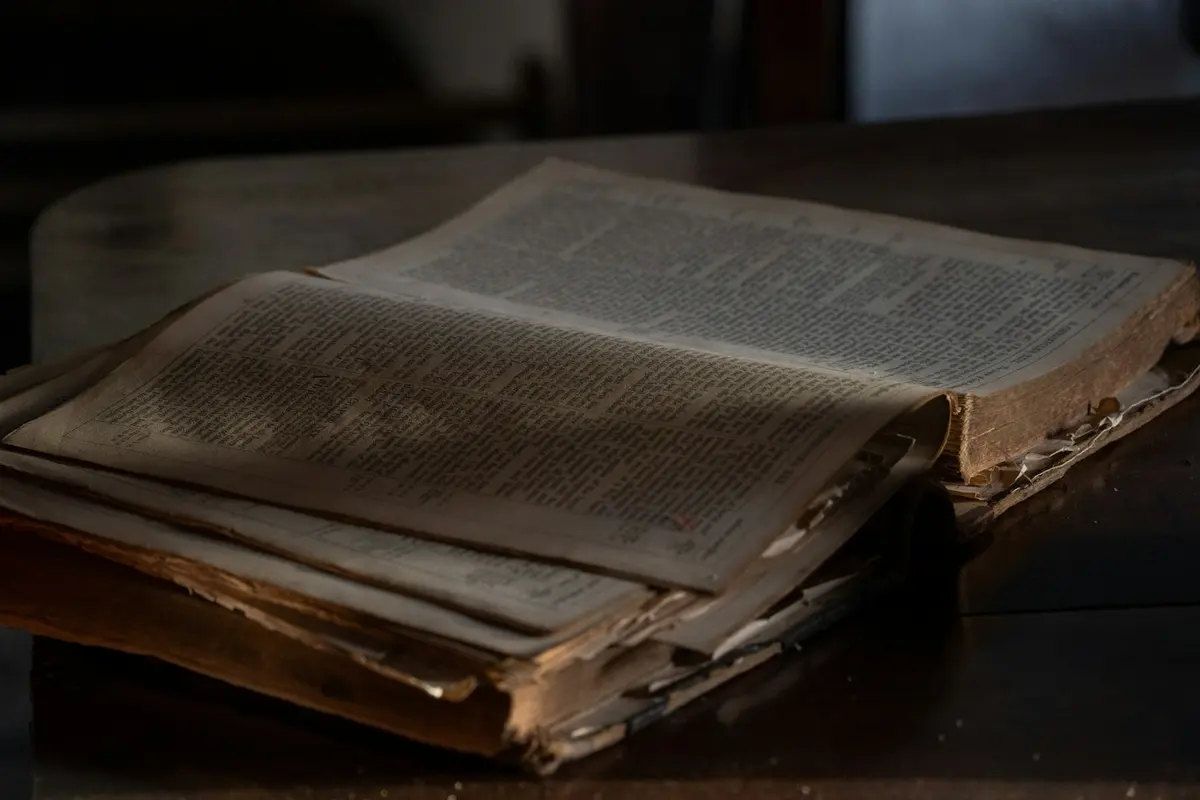
The modern Chinese rewrite says that Chen Shiyuan came across a damaged book titled The Secret Strategies for Interpreting Dreams. Its opening reportedly called it “compiled by Master Kangjie.” The preface suggests, from fragments, dates, and related notes, that the book had traditional associations with Shao Yong and Ge Hong. Those are the preface’s attributions and inferences, not confirmed modern authorship.
Why Menglin Xuanjie was reorganized
The rewrite presents the new compilation as an act of revision. Chen says his earlier writing was too rough and that dream material needed more careful sorting. The preface describes gathering different materials, keeping what seemed balanced, and removing what the compiler considered inflated or unreliable. That is an editorial aspiration, not a fixed list of fortunes.
Dreams and a person’s state of mind
The preface places dreams alongside state of mind, everyday conduct, and self-reflection. It is not modern psychology or clinical guidance. It does, however, suggest that the images in a dream should be read with the dreamer’s feelings, concerns, lived circumstances, and the dream’s full sequence in view.
Why a surface symbol is not enough
The preface cautions against forcing a single dream image into a simple lucky or unlucky verdict. An apparent fit is not the same as a dependable method. A more careful reading begins with how the dream unfolded, its strongest feeling, and its turning points; traditional symbols can then serve as prompts for reflection rather than final answers.
Editorial note
This English article is an editorial translation based on the Chinese source.
Traditional Sources
Sources referenced on this page
Menglin Xuanjie · 夢林玄解