夢林玄解
Menglin Xuanjie
A classical Chinese dream compendium represented from the reviewed project archive. Attribution and edition history are described as traditional claims, not settled modern scholarship.
Explore source →Sources, method & boundaries
Ancient sources provide cultural context and symbolic frameworks. AI organizes and explains context; it does not fabricate guaranteed predictions.
How to read Menglin Xuanjie
The preface to Menglin Xuanjie cautions against mechanically assigning fortune from one dream image. A person’s state of mind and the fuller dream context matter. We present traditional symbols as prompts for reflection, not certain predictions.
The Yuanji chapter in Dream Theory Volume Two suggests that piling up analogies is less useful than focused reflection. We therefore prioritize the dream’s sequence, changes, emotion, and sleep context over converting an isolated symbol into a fixed conclusion.
As Dream Interpretation Volume One begins, the text says a dream should be considered according to the person, the matter, the time, and the place. We therefore preserve original favorable and unfavorable labels as historical material while emphasizing a dream image’s state, movement, dreamer role, and surrounding context.
The Preface to Yuanmeng Mice records a reversal dream in which a pill is followed by illness and a blade is followed, in the account, by recovery. It is a reminder that traditional dream interpretation also resists mechanical judgments based on surface fortune alone.
The fuller ending of the Preface to Yuanmeng Mice criticizes rigid, formulaic readings and asks later readers to understand and adapt. We therefore do not convert a dream image into a fixed conclusion; the full dream, its changes, and its circumstances are necessary context for reading traditional material.
The Dream Ritual preface preserves historical material about charms, ritual remedies, medicine, and spirits. We do not present it as an actionable ritual, medical guidance, or a promise of supernatural efficacy; the preface itself places self-reflection, moral conduct, and reform ahead of formulas or incantations alone. Volume Two preserves detailed ritual, material, bedtime, and folk practices. They are cataloged for historical study, not presented as modern medical, safety, or supernatural guidance.
Dream Ritual Volume One places I Ching images, the Six Spirits, the Six Relations, and a formal invocation in one historical divination system, while its Reflection on Dreams section says that cultivating virtue is foundational. We therefore explain this material as cultural and intellectual history only, without coin-casting steps, ritual templates, medical judgments, or future predictions.
According to the editorial principles, Dream Interpretation preserves inherited material alongside later additions, and dream signs, readings, and historical cases may combine in several ways. Its roughly seventy–thirty description is the preface’s own editorial statement, not an independently verified modern textual-history finding.
The editorial principles place Ge Hong, also called Ge Zhichuan, in the early traditional attribution of Yuanmeng Mice. This is an attribution within the text, not confirmed modern authorship. The accompanying biography includes alchemy and transcendence narratives; when mentioned here, they are treated as traditional biography rather than objective history or medical fact.
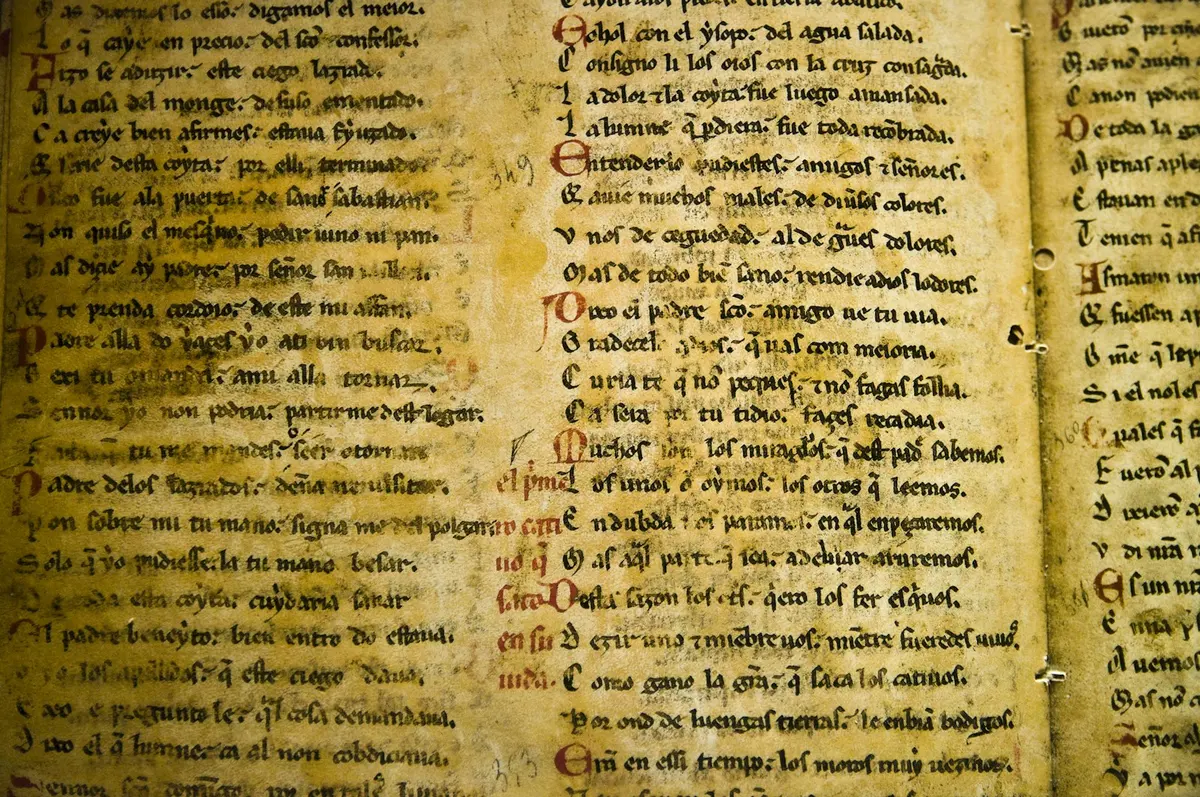
The preface to the Changliu Five Spirits diagram says that its accompanying scripture was already lost and that the surviving diagram was incomplete. A later writer added explanations after years of study. We therefore present it as a fragmentary traditional source with later interpretation, not as a complete surviving ancient classic. Material about the five organs, yin-yang, and the five phases is historical cultural context, not modern medical guidance.
夢林玄解
A classical Chinese dream compendium represented from the reviewed project archive. Attribution and edition history are described as traditional claims, not settled modern scholarship.
Explore source →