Climbing a mountain
May reflect effort, persistence, or a goal that feels demanding. The feeling of progress or exhaustion changes the reading.
Mountains in traditional Chinese dream texts may relate to ascent, position, obstacles, stability, or major change—but what happens to the mountain matters.
Quick Meaning
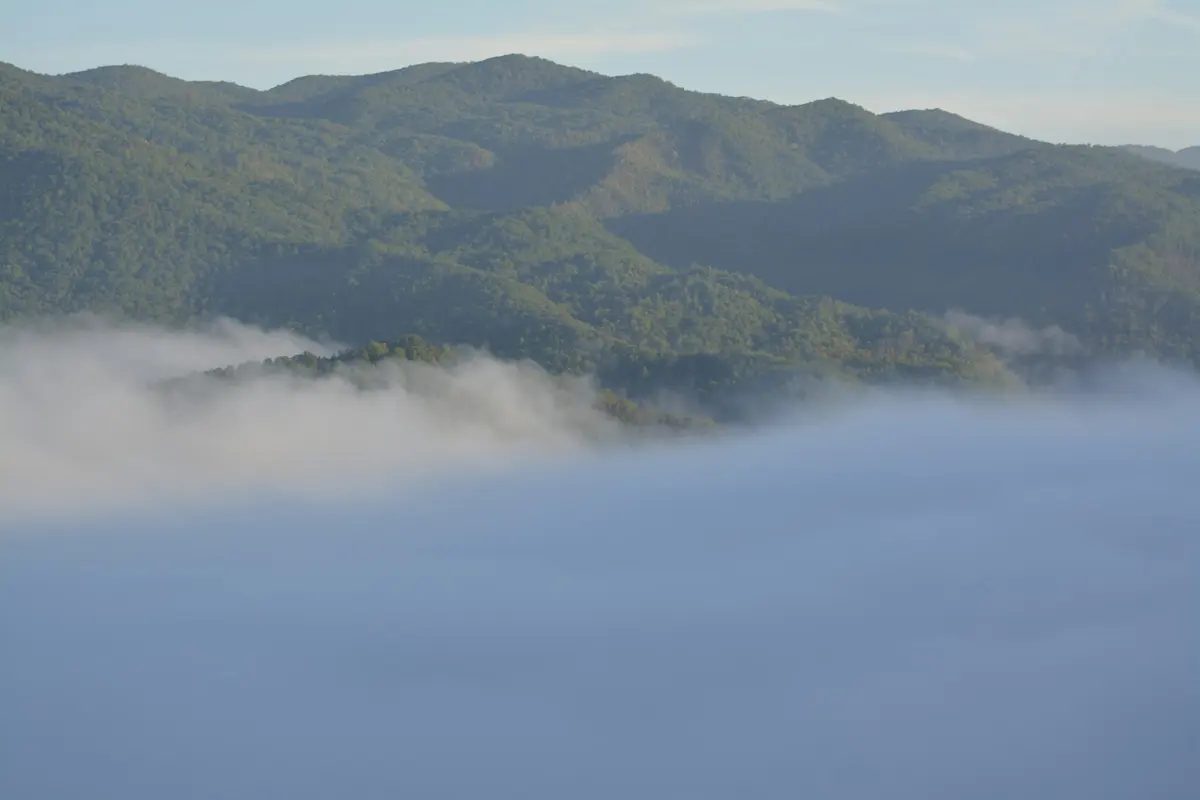
Dreams about mountains can bring up challenge, distance, stability, ambition, or a major change that takes time to understand. A mountain is not one fixed message: climbing it, seeing it from afar, finding a path through it, or watching it collapse can feel very different.
In traditional Chinese dream writing, mountains sometimes appear alongside ideas of position, effort, terrain, and change. The surrounding action, your emotion, and the whole dream matter more than the mountain by itself.
The Mountain and Water chapter in Menglin Xuanjie groups mountains, roads, earth, and stone among land images. It records varied mountain and water dreams rather than one universal answer. Some older passages associate hills or towers with position, while other accounts connect mountains with difficulty, movement, or unexpected change. These are traditional literary frameworks, not guarantees about status or future events.
A mountain that is distant may feel different from one directly in your path. Ascending, descending, collapsing, suddenly rising, or being unable to cross it changes the scene. Notice whether the dream felt demanding, secure, lonely, exciting, or calm.
Common Dream Variations
May reflect effort, persistence, or a goal that feels demanding. The feeling of progress or exhaustion changes the reading.
Can point to a sense that something stable is changing or that a familiar structure feels less secure.
May draw attention to a new obstacle, a shift in perspective, or a change that seems larger than expected.
Can evoke distance, aspiration, or a situation you are observing before acting on it.
May reflect the search for a workable route through a difficult or unfamiliar period.
Confidence may make a mountain feel like a challenge worth meeting. Fear or isolation may make the same scene feel obstructive. Relief after reaching a pass, summit, or open plain is also part of the dream’s context.
Consider recent long-term goals, changes in responsibility, obstacles, and the pace at which you are being asked to move. Ask what the mountain did, what you did in response, and what changed before the dream ended.
Traditional dream interpretation is cultural and symbolic, not scientific diagnosis or guaranteed prediction. The Mountain and Water material records varied historical readings rather than a single fixed definition.
Volume Three distinguishes mountain color, collapse, climbing, forest, caves, and transformation. Its labels are historical archival material, not predictions.
Personal context
Describe the whole dream — what happened, how you felt, and what changed.